Wondering what it’s really like to live in Alameda County? The short answer is that it depends on where you land. This is one of the most varied counties in the East Bay, so your day-to-day life can feel urban, suburban, or more open and rural depending on the area you choose. If you are thinking about buying or selling here, this guide will help you understand the lifestyle, pace, and trade-offs that shape everyday living in Alameda County. Let’s dive in.
Alameda County feels different by area
One of the most important things to know is that Alameda County does not live like one single market. It has 1.64 million residents across 14 incorporated cities and six unincorporated communities, spread over about 813 square miles. That size and variety create very different living experiences from one part of the county to another.
In the urban core, cities like Oakland, Berkeley, Emeryville, and Alameda tend to feel denser and more connected to transit, dining, and arts. If you like a faster pace, more nearby amenities, and more ways to get around without always driving, these areas often appeal to you. Your day may include BART, buses, ferries, biking, and walkable commercial districts.
In the suburban commuter belt, places like Fremont, Hayward, Union City, San Leandro, Newark, Dublin, and Pleasanton often offer a different rhythm. Daily life may involve more driving, more planning around commute routes, and a little more separation between residential areas and major shopping or job centers. For many buyers, this part of the county feels practical, established, and easier to map out day to day.
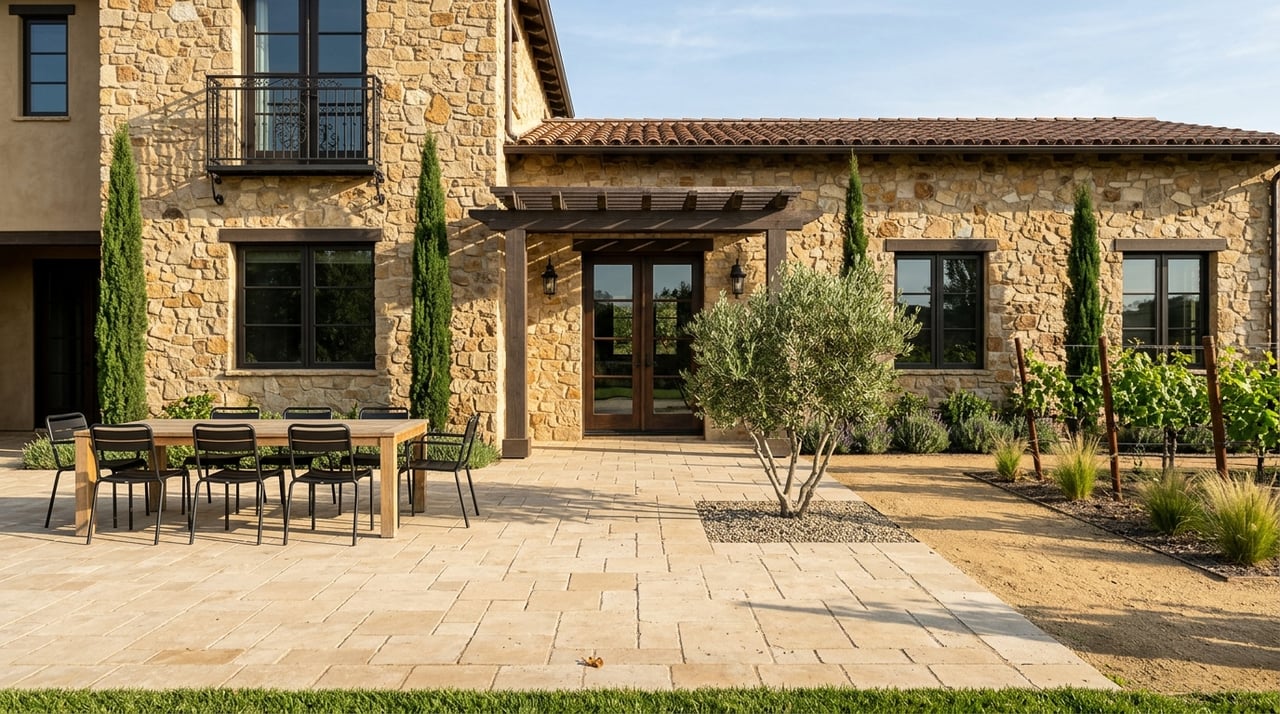
Then there are the eastern edge and unincorporated communities, including Castro Valley, San Lorenzo, Sunol, and the Livermore Valley side of the county. These areas often feel more spacious and less dense. If you are drawn to extra land, wider-open surroundings, or a lifestyle that leans toward rural or wine-country living, this side of the county may feel like a better fit.
Housing costs shape the experience
Living in Alameda County means living in a high-cost housing market. Census data for 2020 through 2024 show a median owner-occupied home value of $1,090,100 and a median gross rent of $2,357. The median household income was $129,367.
Those numbers matter because they affect how you think about location, home size, commute, and long-term value. In a market like this, buyers often have to weigh trade-offs carefully. You may choose between more space and a longer drive, or a more central location with a smaller footprint.
For sellers, this also means your home’s specific location matters more than broad county branding. A property in a transit-connected urban setting may attract a different buyer than a home on the county’s more spacious eastern edge. Pricing, presentation, and marketing should reflect how people actually live in that micro-location.
That is especially true in a county like this, where buyer needs can range from condo convenience to multi-acre rural living. A tailored strategy matters because Alameda County attracts people looking for very different lifestyles.
Getting around takes flexibility
Transportation is a major part of daily life here. Alameda County is one of California’s most transit-rich environments, with 22 of BART’s 50 stations located in the county. Alameda CTC also reports about 58,000 weekday BART boardings, 117,000 weekday bus boardings, four ferry terminals, and an average commute time of 31 minutes.
That gives you options, but it does not mean every commute is simple. In many parts of the county, people rely on a mix of freeways, BART, local bus systems, ferries, biking, and work-from-home flexibility. In 2023, 20% of workers primarily worked from home, which adds another layer to how people plan their routines.
If you live in Alameda, for example, you get a strong ferry connection and AC Transit access, but there is no BART station on the island itself. The city has three San Francisco Bay Ferry terminals, with service to San Francisco in about 20 minutes. That setup works well for some residents, but it also shows how transportation choices here are often very location-specific.
Oakland adds another layer because it functions as a highway hub and a practical base for regional travel. Depending on where you live, your routine may feel highly transit-oriented or much more car-dependent. Before choosing a home, it helps to think less about county-wide access and more about your likely routes, habits, and schedule.
Outdoor access is a real quality-of-life perk
One of the strongest upsides of living in Alameda County is how easy it can be to spend time outdoors. East Bay Regional Park District manages 73 parks and interpark trails across more than 125,000 acres in Alameda and Contra Costa counties. That is a major lifestyle advantage if you value hiking, biking, fishing, swimming, horseback riding, or simply having open space nearby.
Local recreation options include Coyote Hills, Mission Peak, Pleasanton Ridge, Sunol, Lake Chabot, Anthony Chabot, Redwood, and Del Valle. These are not just occasional weekend destinations. For many residents, they become part of weekly life.
Oakland also adds a strong urban park system to the mix. The city lists more than 129 parks and public spaces covering more than 2,300 acres. That means even in denser areas, you still have meaningful access to green space.
This blend of regional open land and local neighborhood parks is part of what makes Alameda County attractive to many buyers. You can live in a more built-up setting and still reach trails, shoreline, or recreation without leaving the county.
The climate changes more than you might expect
A lot of people are surprised by how much the weather shifts across Alameda County. The county has noticeable microclimates, and those differences can affect your comfort, routines, and even the kind of home or yard you prefer.
NOAA climate normals show Oakland Museum with an annual mean temperature of 59.6°F and annual precipitation of 22.61 inches. Livermore averages 60.4°F annually, but with only 14.60 inches of precipitation. The biggest contrast shows up in summer, when July average highs are 71.6°F in Oakland and 89.0°F in Livermore.
That means the bay side generally feels cooler and more influenced by marine air, while inland east-county areas are warmer and drier. If you enjoy cooler mornings and a milder summer pattern, the western side may suit you better. If you prefer warmer summer weather and a more inland feel, the eastern side may be a better match.
This is one of those practical details that can really shape your experience after move-in. Climate is not just background information. It affects outdoor time, commute comfort, home maintenance, and how a neighborhood feels throughout the year.
Food, arts, and culture are strongest in the core
If you want easy access to arts, dining, and cultural activity, Oakland and Berkeley are the county’s best-known anchors. Oakland’s tourism materials highlight multicultural cuisine, live music venues, theaters, Lake Merritt, the Oakland Museum of California, parks, and the Chabot Space & Science Center. That creates a lively, layered city experience with a lot to do close to home.
Berkeley adds its own distinct energy. Official visitor materials describe it as a culinary hub known for local, sustainable, fresh, and organic food. Downtown Berkeley also concentrates arts, dining, and shopping near the BART station and the UC Berkeley campus.
That area includes major cultural destinations such as BAMPFA, Berkeley Repertory Theatre, Aurora Theater Company, the California Jazz Conservatory, Freight & Salvage, and the UC Theatre. The university presence also gives Berkeley a strong college-town rhythm. In practical terms, that can mean more events, more foot traffic, and a more active calendar year-round.
For many residents, this is part of the appeal of the county’s western side. Your weekends can stay local and still feel full. You can spend the morning at a park, the afternoon exploring a neighborhood business district, and the evening at a performance or restaurant without needing a long drive.
Weekend options go beyond city life
Alameda County also works well if you want more than one kind of weekend. If your ideal day off includes tasting rooms and open scenery, Livermore Valley Wine Country offers a different side of the county. The Livermore Valley Winegrowers Association says the area has more than 50 wineries and is directly east of the San Francisco Bay.
That gives residents a local wine-country option without leaving the county. For some buyers, especially those drawn to the eastern side, that lifestyle adds real appeal. It brings together open land, warmer weather, and a more relaxed setting.
The county’s location also makes it a practical base for broader regional travel. Oakland’s visitor guide highlights access to destinations like San Francisco, Berkeley, Napa, Sonoma, Tahoe, and Yosemite. So even if your daily life is rooted in one city or suburb, the county still supports easy day trips and weekend escapes.
What buyers should think about first
If you are buying in Alameda County, the smartest first step is to define your lifestyle before you focus only on square footage or price. This county offers dense urban neighborhoods, transit-connected areas, commuter suburbs, and more open communities. Each option comes with different trade-offs.
Think about the details that will affect your routine most:
- Commute style and travel time
- Comfort with driving versus transit
- Preference for cooler bay weather or warmer inland summers
- Need for yard space or extra land
- Interest in parks, trails, nightlife, or dining access
- Desire for a more urban or more spacious setting
These questions matter because the county’s average commute is 31 minutes and housing costs are high. The better your location fit, the more confident you are likely to feel in your decision.
For buyers looking at larger lots or more rural-style properties on the county’s eastern edge, it can also help to work with someone who understands both neighborhood resale and land-related considerations. That becomes especially important when the lifestyle you want includes space, privacy, or specialized property features.
What sellers should keep in mind
If you are selling in Alameda County, your home should be positioned based on how buyers experience that exact area. A broad “Alameda County lifestyle” message is usually not enough because the county includes so many different living patterns.
A seller in a transit-connected part of Oakland, Berkeley, or Alameda may need to highlight access, culture, and convenience. A seller in Fremont, Pleasanton, or Dublin may need to focus more on layout, livability, and commute practicality. A seller in Sunol or on the Livermore Valley side may benefit from marketing that captures space, land use, setting, and lifestyle.
That is where strong preparation can make a difference. Thoughtful staging, clear pricing, contractor coordination when needed, and targeted marketing help buyers see the value of a property in context. In a county with both suburban homes and rural or semi-rural properties, a one-size-fits-all approach can leave opportunity on the table.
If you want guidance tailored to your specific area of Alameda County, Lori Cabral offers full-service support for buyers and sellers, with hands-on local guidance, strong marketing, and experience that spans both neighborhood homes and acreage properties.
FAQs
What is daily life like in Alameda County?
- Daily life in Alameda County depends heavily on where you live, with some areas feeling more urban and transit-connected, others feeling suburban and car-oriented, and some eastern areas offering a more spacious or semi-rural lifestyle.
What is the housing market like in Alameda County?
- Alameda County is a high-cost market, with a 2020-2024 median owner-occupied home value of $1,090,100 and a median gross rent of $2,357.
What is commuting like in Alameda County?
- Commuting in Alameda County often involves a mix of BART, buses, ferries, freeways, biking, and work-from-home flexibility, with an average commute time of 31 minutes.
How is the weather across Alameda County?
- Weather varies by location, with bay-side areas like Oakland generally cooler and wetter, while inland areas like Livermore are warmer and drier, especially in summer.
What are the lifestyle differences across Alameda County?
- The biggest lifestyle differences usually come down to density, transit access, climate, outdoor space, and proximity to dining, arts, parks, and wine-country areas.
Is Alameda County good for outdoor recreation?
- Alameda County offers strong outdoor access, including regional parks, trails, shoreline areas, and local park systems, with recreation options such as hiking, biking, fishing, swimming, and horseback riding.