Selling in Alameda County is not as simple as tidying up, snapping a few photos, and hoping for the best. In a market where inventory has risen, homes are taking longer to sell, and buyer leverage has returned in many areas, how your home looks and how ready you are behind the scenes can shape the entire sale. If you want to list with confidence, it helps to know where to focus first, what matters most to buyers, and what California sellers need to have ready. Let’s dive in.
Know Alameda County Is Not One Market
Alameda County works more like a collection of smaller markets than one uniform market. Bay East reports that conditions can vary widely by corridor and city, which means seller preparation should match your neighborhood, price point, and property type.
That matters whether you own a condo in Oakland, a single-family home in Hayward, a property in Berkeley, or a larger home in the Tri-Valley. A polished, market-ready presentation is important across the board, but the details should be tailored to how buyers shop in your area.
Start With the Basics First
Before you spend money on major upgrades, focus on the steps that improve first impressions right away. A clean, uncluttered, well-maintained home usually does more for buyer confidence than expensive projects that do not fit the market.
A strong first round of preparation should include:
- Decluttering throughout the home
- Deep cleaning every room
- Improving curb appeal
- Taking care of minor repairs
- Touching up paint where needed
- Depersonalizing visible spaces
- Cleaning carpet and flooring
This approach lines up with what agents most often recommend to sellers. It also helps you avoid over-improving when buyers may care more about cleanliness, layout, and overall condition than dramatic cosmetic changes.
Focus on Curb Appeal Early
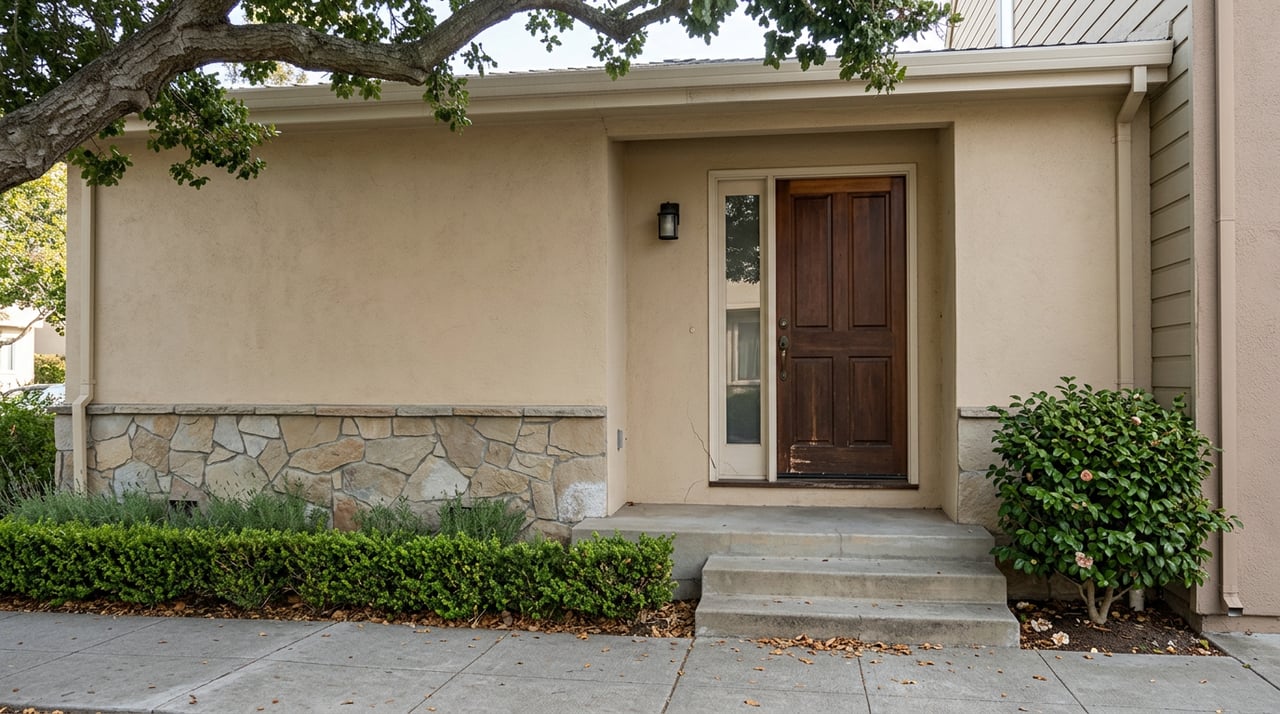
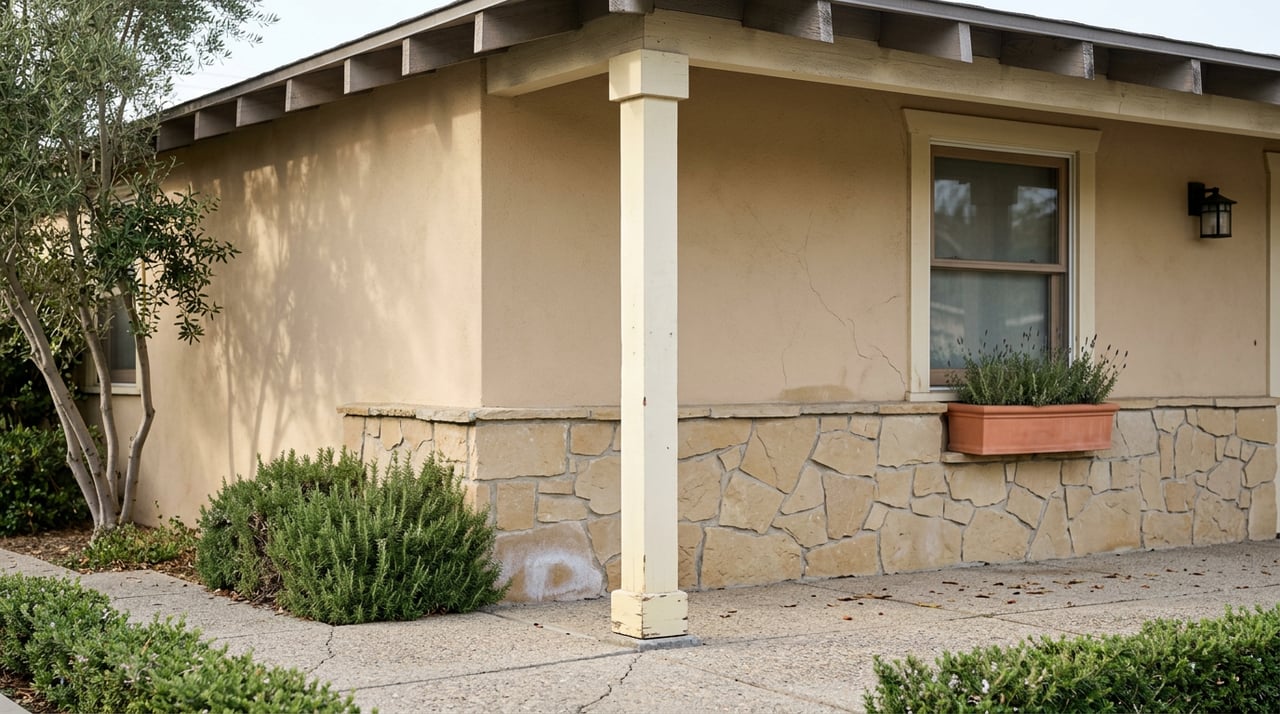
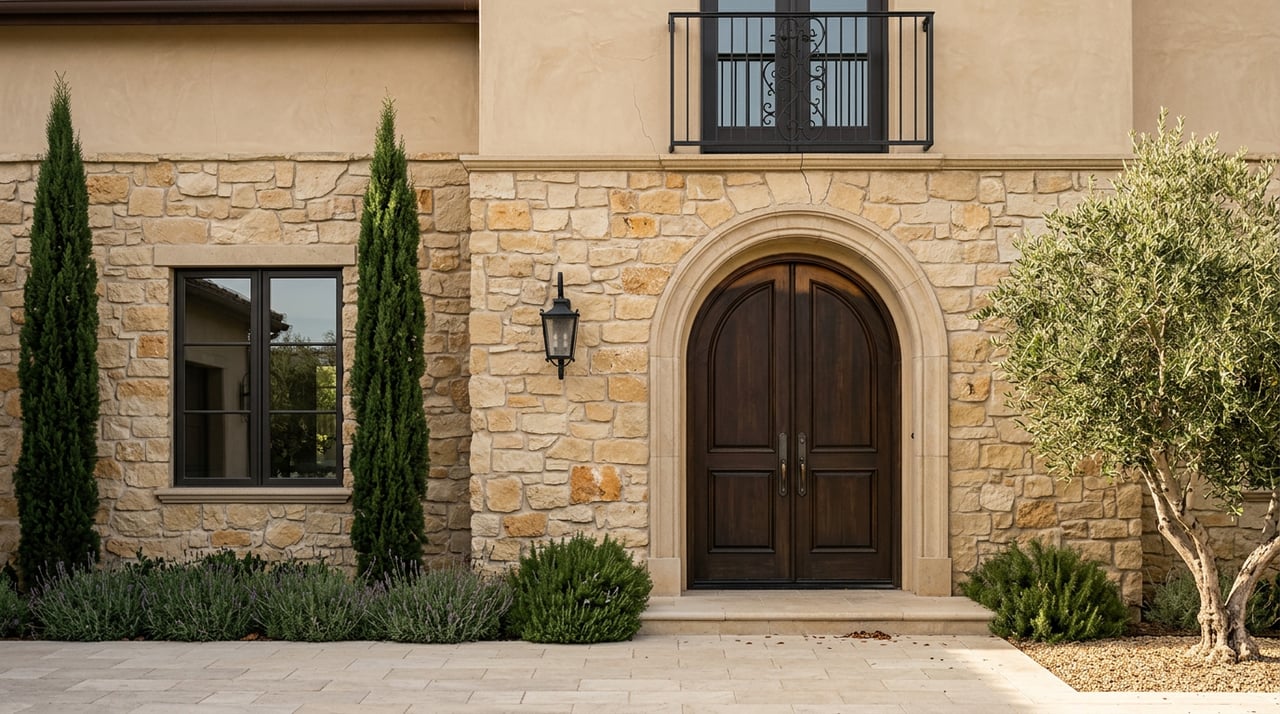
Your exterior is your first showing, whether buyers see your home online or in person. If the front of the property looks neglected, buyers may assume the inside needs work too.
Start with simple, visible improvements. Trim landscaping, clear walkways, wash exterior surfaces, tidy the porch or entry, and touch up the front door and trim if needed. The goal is to make the home feel bright, cared for, and easy to approach.
If your property is in a wildfire-prone part of Alameda County, exterior preparation should also include safety-related items. Alameda County Fire Department guidance for defensible space includes removing dead vegetation and debris, checking roofs and gutters, trimming branches away from chimneys, and moving combustible items like garbage containers away from the home.
Stage the Rooms Buyers Notice Most
Not every room carries the same weight when buyers form an opinion. According to the 2025 staging profile, the living room, primary bedroom, and kitchen are the top rooms to prioritize.
That is good news if you are trying to prepare efficiently. You do not need every corner of the home to look magazine-perfect. You do need the most important spaces to feel clear, functional, and inviting.
Living Room and Main Gathering Spaces
The living room often anchors the whole listing. Buyers use it to judge scale, flow, and how the home will live day to day.
If the room feels crowded, remove extra furniture. In smaller condos and townhomes, that can make the space feel more open. In larger homes, it helps buyers understand how to use the room rather than guessing at its purpose.
Dining areas and family rooms should also read clearly. Each space should have an obvious function, especially in photos.
Kitchen Presentation
You do not always need a full kitchen remodel to make a better impression. Cleanliness, simplicity, and maintenance often matter more than flashy upgrades.
Clear counters, polish appliances, and address minor grout or caulk issues. If paint touch-ups are needed, handle them before photos. Buyers often react first to how the kitchen photographs and whether it looks easy to maintain.
Primary Bedroom and Bathrooms
The primary bedroom should feel calm and neutral. Think clean bedding, limited decor, and open surfaces rather than heavily personalized styling.
Bathrooms should look fresh and trustworthy. Clear the vanity, hang fresh towels, and make sure every surface feels truly clean. Buyers do not just want tidy spaces. They want spaces that suggest the home has been cared for.
Secondary Rooms, Closets, and Storage Areas
Secondary bedrooms, offices, and flex rooms should show possibility. If a room has become a catch-all, give it a clear identity before the home hits the market.
Closets, laundry rooms, and garages matter too. Organized storage helps buyers see function and capacity, which can be especially important in homes where space is limited.
Use Staging and Media Wisely
Presentation today is not just about in-person showings. Buyers often form their first opinion from photos, video, and virtual tours.
The 2025 staging data shows that photos are the most important listing asset, followed by physical staging, videos, and virtual tours. Virtual staging can help in some cases, especially for vacant homes, but it works best as a supplement rather than a replacement for strong physical presentation.
That means your strategy should start with the real home. Make key rooms look their best in person, then support that with high-quality photography and marketing.
Keep Staging Polished, Not Overdone
It is easy to think your home needs to look like a television makeover. In reality, overly curated spaces can feel artificial and may create the wrong expectations.
A better goal is polished, bright, and believable. Buyers want to imagine themselves in the home, not feel like they are walking through a set. Thoughtful editing, good lighting, and balanced furniture usually do more than trendy styling.
Understand the Cost Benefit
Many sellers want to know if staging is worth the money. There is no guarantee, but the numbers suggest it can be a practical investment when used thoughtfully.
In the 2025 staging report, the median spend was $1,500 when sellers used a professional staging service and $500 when the seller’s agent personally staged the home. The same report found that some agents saw a 1% to 5% increase in buyer offers, and 30% reported slight decreases in time on market.
In a market where homes may take longer to sell, that can matter. A smart preparation budget may cost less than a future price reduction or extended time on the market.
Get Your Disclosures Ready Early
In California, cosmetic preparation is only part of the job. Seller readiness also means having your disclosure information organized as early as possible.
California Civil Code section 1102 applies to transfers of single-family residential property, and the required written disclosures are made on the statutory form. The law also says the completed statement must be delivered as soon as practicable before title transfer.
If your home was built before 1978, lead-based paint disclosure rules may apply. The California Department of Public Health states that sellers, landlords, or agents must disclose known lead hazards, provide the EPA pamphlet, and give buyers a 10-day opportunity to inspect or test unless the parties agree otherwise.
If your property is in a high or very high fire hazard severity zone, California Civil Code 1102.19 may require documentation showing compliance with defensible-space rules or local vegetation ordinances. Fire and seismic hazard designations can also be disclosure issues, so it is important to check parcel-specific maps instead of assuming your entire area is treated the same way.
Build a Pre-Listing Plan That Fits Your Property
The best seller prep plan is not one-size-fits-all. A Berkeley condo, a Hayward townhome, a Fremont single-family property, and a rural or acreage listing near Livermore may all need different preparation choices.
That is where a tailored strategy helps. Some homes benefit most from simple decluttering and strong photography. Others need contractor coordination, physical or virtual staging, or more detailed planning around exterior cleanup and disclosures.
A confident sale usually starts with a clear plan that covers both presentation and paperwork. When those two pieces work together, your home is better positioned to make a strong first impression and move through the transaction more smoothly.
If you are getting ready to sell in Alameda County, working with a hands-on local professional can help you prioritize the right updates, coordinate staging and prep, and bring the home to market with a strategy that fits your property. To start with a tailored plan and local market insight, connect with Lori Cabral.
FAQs
What should I do first before selling a home in Alameda County?
- Start with decluttering, deep cleaning, curb appeal, and minor repairs before spending on larger updates.
Which rooms matter most when preparing an Alameda County home to sell?
- The living room, primary bedroom, and kitchen are the top priority rooms for staging and presentation.
Is virtual staging enough for an Alameda County listing?
- Usually no. Virtual staging can help vacant homes, but strong photos and, when possible, physical staging in key rooms are more important.
What disclosures should Alameda County sellers have ready?
- Sellers should prepare the California transfer disclosure statement, and if applicable, lead-based paint disclosure items and wildfire or hazard-related documentation.
Does staging always increase the sale price of a home in Alameda County?
- No. There is no guarantee, but survey data shows many agents have seen higher offers or slightly shorter time on market when homes were staged.