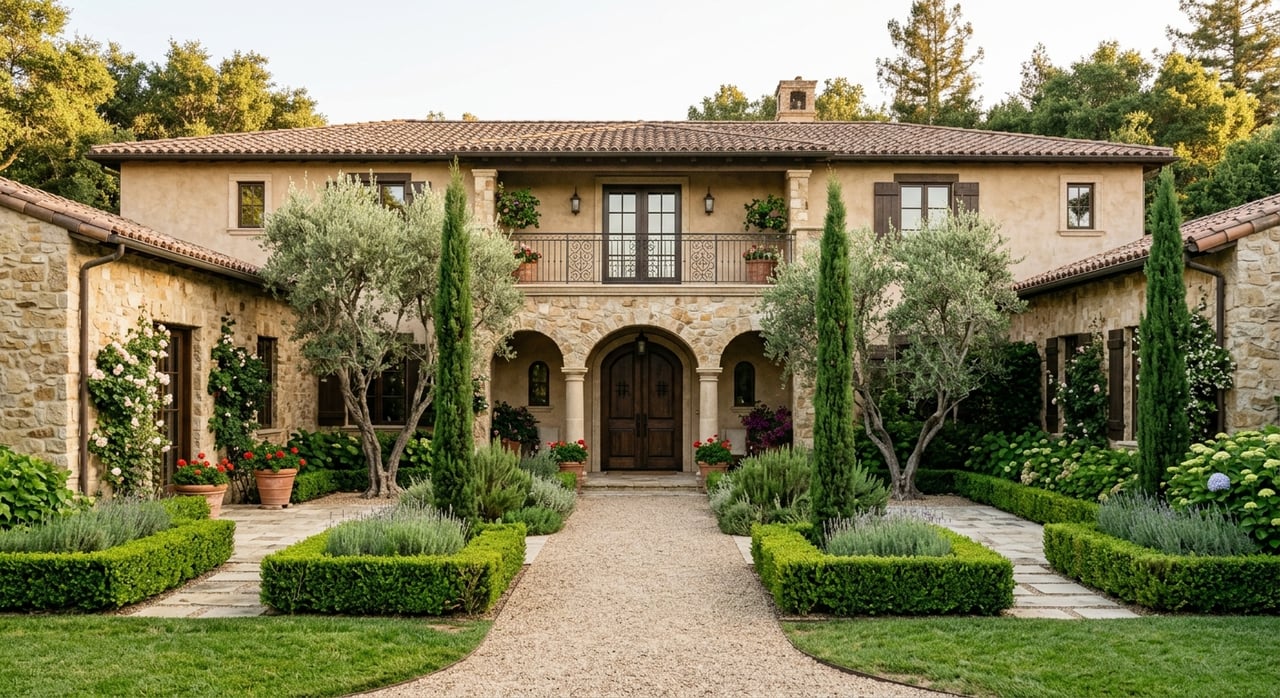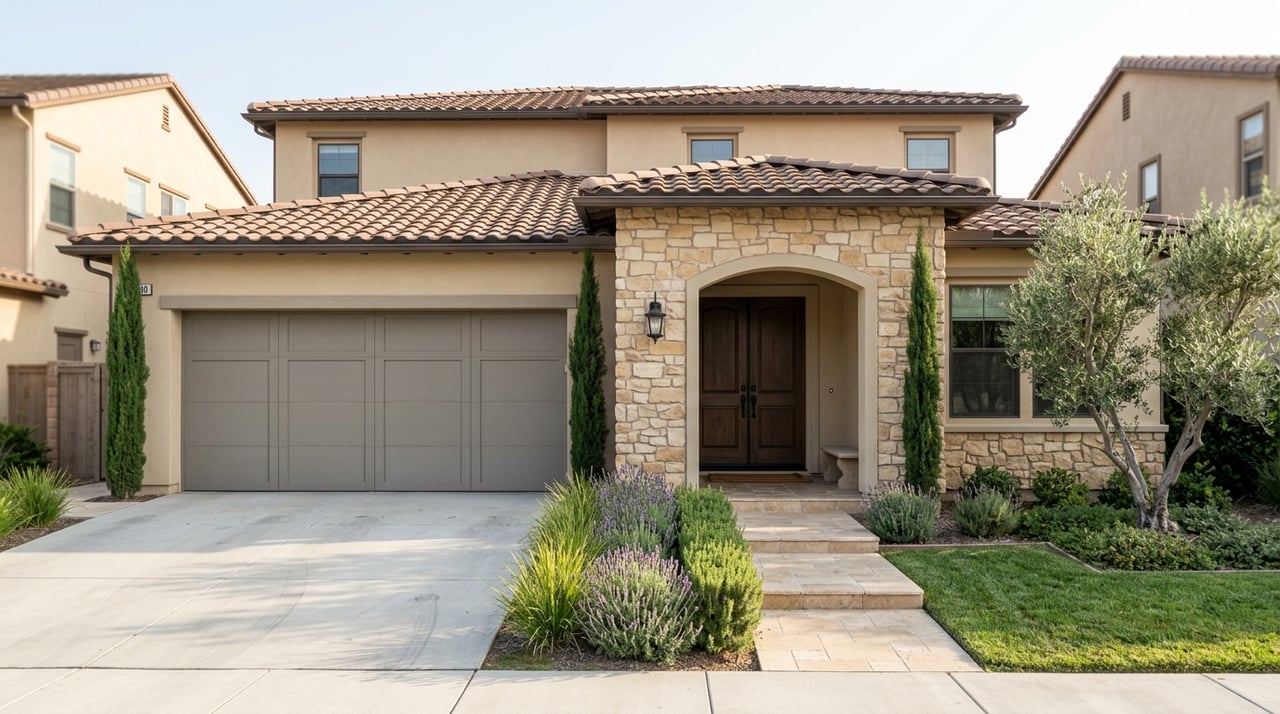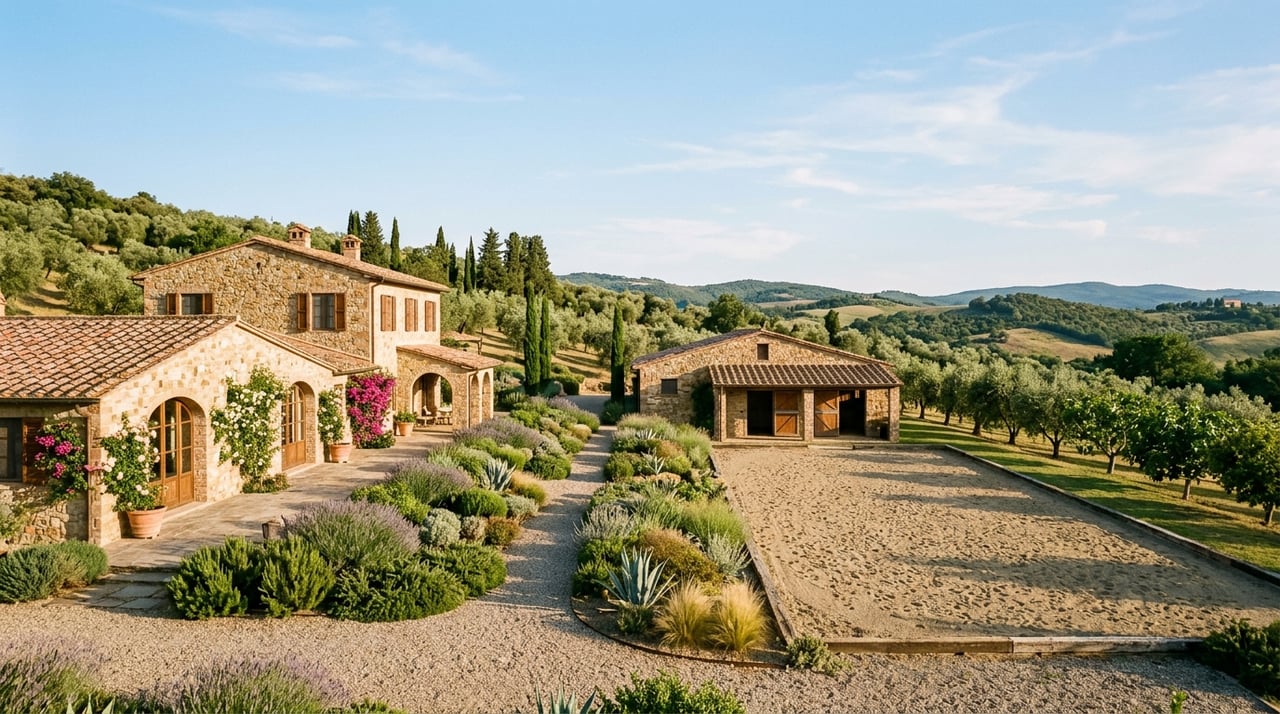
Dreaming about a little more space, a few animals, or a property where your lifestyle and your land finally match? In Stanislaus County, rural living can mean anything from a city-edge ranchette to a larger agricultural parcel surrounded by active farming. If you are exploring the move from pasture to homestead, it helps to understand how zoning, utilities, and long-term land use shape what is actually possible. Let’s dive in.
Why Stanislaus County Feels Different
Stanislaus County is not just a place with homes on bigger lots. It remains a major working agricultural county, with 2024 gross farm-gate production totaling $3.15 billion. Almonds, milk, and poultry make up nearly 60% of that value, which tells you a lot about the landscape you may be buying into.
That matters because many rural properties sit next to orchards, dairies, pasture, and irrigation infrastructure. If you want country living here, you should expect real agricultural activity nearby. For many buyers, that is part of the appeal, but it also means you need to evaluate a property with open eyes.
Rural Living Options in Stanislaus County
Ranchettes and estate parcels
If you picture a home with room for a shop, garden, animals, or extra privacy, a ranchette may be the closest fit. Stanislaus County’s general plan recognizes ranchette areas with 3-, 5-, 10-, and 20-acre minimum parcel sizes. In estate residential R-A areas, the minimum building-site area is 3 acres.
These properties often appeal to buyers who want a rural feel without taking on a full-scale agricultural operation. You may find them near city edges or in established rural residential pockets, where the setting feels open but daily services may still be reasonably accessible.
Best fit for ranchettes
Ranchettes often work well if you want:
- Space between neighbors
- Room for gardens, small outbuildings, or hobby uses
- A country setting with a more residential day-to-day lifestyle
- Flexibility to enjoy land without managing commercial production
Small farms and hobby-farm parcels
If you want to grow crops, keep a more active farm setup, or own land with agricultural potential, you may be looking at property in the A-2 General Agriculture district. In that district, agricultural uses and single-family dwellings are permitted when they meet zoning rules.
For parcels under 20 acres, one single-family dwelling is permitted in the smaller A-2 zones. In the A-2-40 or A-2-160 variants, a dwelling on a parcel under 20 acres requires staff approval. On parcels of 20 acres or more, two single-family dwellings may be allowed, with the second one placed to make the best use of existing utilities and driveways.
That makes parcel size especially important. Two properties may look similar online, but their zoning and acreage can create very different options for living, farming, or future improvements.
Best fit for hobby-farm buyers
A small farm or hobby-farm parcel may be a good match if you want:
- Land with agricultural zoning
- Room for crop production or agricultural use
- A property that may support more than one dwelling on larger acreage
- A lifestyle tied more directly to working land
Horse properties and equestrian use
For buyers focused on horses, the R-A district gives some of the clearest guidance. On parcels of 1 acre or more, Stanislaus County allows small livestock farming and specifically allows up to two horses or two cows, or four sheep or four goats, with per-acre limits.
This is especially important near city-edge areas. In A-2 urban-transition areas, animal keeping is generally limited to the R-A rules unless additional animals are approved by the planning director. So if your vision includes horses, a barn setup, or more flexible animal use, you will want to verify the exact zoning before you fall in love with a property.
Best fit for horse-property buyers
Horse-friendly parcels may make sense if you want:
- Acreage for personal equestrian use
- Animal allowances defined by county code
- A more residential property with some agricultural flexibility
- A location near town but still outside a typical subdivision setting
Country homes on larger lots
Not every rural property is meant to function like a farm. Some homes are simply country residences with larger lots, more privacy, and fewer nearby rooftops. In these cases, utility service often matters as much as the acreage itself.
In the R-A district, a new building site cannot be approved without prior approval of sanitary and water facilities by the county health department. Minimum building-site area depends on utility service:
- 8,000 square feet with public sewer and water
- 20,000 square feet with public water and septic, or private well and public sewer
- 1 acre with private well and septic
This is one reason two country properties with similar lot sizes can have very different building or improvement potential.
City-Edge Land vs Deep Rural Land
Why location nuance matters
One of the biggest mistakes buyers make is assuming every country parcel works the same way. In Stanislaus County, land near city edges can be very different from land intended to remain in long-term agricultural use.
The county’s agricultural element states that unincorporated land inside established spheres of influence is generally designated Agriculture and zoned A-2 until annexed. County proposals in those sphere areas may also require communication from the city before non-agricultural development can be approved. That means a parcel near Modesto or Turlock may look like classic rural land today, while also sitting in a transition area shaped by future city growth and service planning.
How to think about transition areas
A city-edge rural parcel may offer:
- Larger lots near urban services
- A blend of residential and rural character
- Different long-term planning considerations than deeper agricultural land
A more traditional rural parcel may offer:
- Stronger ties to working agriculture
- Fewer assumptions about future annexation or urban services
- A setting more influenced by agricultural operations and infrastructure
Stanislaus LAFCO plays a big role here. The agency coordinates boundary changes, adopts spheres of influence, and works to preserve agricultural land while discouraging urban sprawl. For buyers, that makes local planning context just as important as the listing photos.
What to Verify Before You Make an Offer
Access and driveway issues
Access matters much more in rural real estate than it does in a standard neighborhood. County rules note that new driveways in A-2 may be authorized by County Public Works when public safety will not be degraded. They also state that a second dwelling on a 20-plus-acre parcel should make the best use of existing utilities and driveways.
In practical terms, you should verify:
- Legal access to the property
- Shared driveway or easement terms
- Who maintains private roads or driveways
- Whether future improvements could require added road work
Well and septic review
Water and wastewater should move to the top of your checklist right away. Stanislaus County Environmental Health describes septic systems as individual on-site wastewater treatment systems and works on permits related to septic systems, land use, and well construction.
The county’s well-construction application also asks for details about nearby wells, septic systems, and other site conditions. That tells you these are formal review items, not simple boxes to check later. If a property relies on private systems, understanding their location, permitting, and condition is essential.
Special districts and service providers
Not every rural property relies fully on private systems. Some parcels are served by special districts that provide services such as fire protection, sewer, water, and storm drainage. Stanislaus County has 74 special districts with adopted sphere-of-influence maps.
In the Modesto and Turlock corridor, examples include the Modesto Irrigation District, Turlock Irrigation District, and Turlock Rural Fire Protection District. If you are comparing properties, it is smart to ask exactly which district services apply and which systems remain private.
Zoning and general plan designation
Before you get emotionally attached to any rural property, confirm the basics. Stanislaus County provides planning tools for zoning, zoning verification, parcel research, and GIS review for zoning and general plan information.
This step can help you confirm:
- Current zoning
- Parcel size
- General plan designation
- Whether the property sits in a sphere-of-influence transition area
- Whether your intended use matches the county rules
The Williamson Act and Long-Term Use
If you are considering farm or ranch property in California, the Williamson Act is a major factor. The program allows local governments to contract with landowners to restrict parcels to agricultural or related open-space use in exchange for property taxes based on agricultural or open-space use rather than full market value.
In Stanislaus County, county policy says residential development on agricultural land should be incidental and accessory to agriculture. Some subdivisions under 160 acres can also require no-build restrictions until certain agricultural production thresholds are met. In short, lower taxes may come with meaningful land-use limits, so buyers should understand the tradeoff before moving forward.
How to Shop Smarter for Rural Property
Rural property searches are rarely one-size-fits-all. A buyer looking for horses near the edge of town will evaluate land differently than someone searching for a hobby farm or a long-term agricultural parcel.
A smart approach is to narrow your search around a few non-negotiables:
- Your intended use for the land
- Minimum acreage needs
- Animal or agricultural goals
- Comfort with private well and septic systems
- Preferred balance of privacy and access to town
- Whether you want a transition-area parcel or deeper agricultural land
That kind of planning can save you time and help you focus on properties that truly fit your goals.
Why Local Guidance Matters
Rural real estate asks different questions than a typical residential purchase. You are not just evaluating the home. You are evaluating the land, zoning, service structure, access, and whether the property supports the life you want to live there.
That is where experienced guidance makes a real difference. Lori Ann Cabral brings both residential and rural property experience, along with an agriculture-informed perspective that helps buyers think beyond surface appeal and ask better questions early.
If you are exploring rural living in Stanislaus County, working with someone who understands both lifestyle goals and land details can help you move forward with more clarity and confidence. When you are ready to talk through acreage, zoning, or the right type of country property for your needs, connect with Lori Cabral.
FAQs
What types of rural properties are common in Stanislaus County?
- Common options include ranchettes, estate-residential parcels, small farms, hobby-farm properties, horse parcels, and country homes on larger lots.
What should buyers check first on a Stanislaus County rural property?
- Start by verifying zoning, parcel size, access, driveway and easement details, water and septic setup, and whether the property is served by a special district or private systems.
How does zoning affect horse property in Stanislaus County?
- In the R-A district, parcels of 1 acre or more may allow small livestock farming and up to two horses or two cows, or four sheep or four goats, with per-acre limits.
What is the difference between city-edge rural land and agricultural land in Stanislaus County?
- City-edge parcels may sit inside a sphere of influence and function as transition areas, while deeper rural parcels are more closely tied to long-term agricultural use and working farm conditions.
What does the Williamson Act mean for Stanislaus County buyers?
- The Williamson Act can provide property tax treatment based on agricultural or open-space use, but it also restricts land to agricultural or related open-space purposes, so buyers should review how that affects residential plans.